Heavy fighting has reportedly erupted in Ethiopia’s Somali Region, particularly around Jamu village and the Somali-administered section of Moyale, amid escalating tensions along the Somali–Oromia regional boundary.
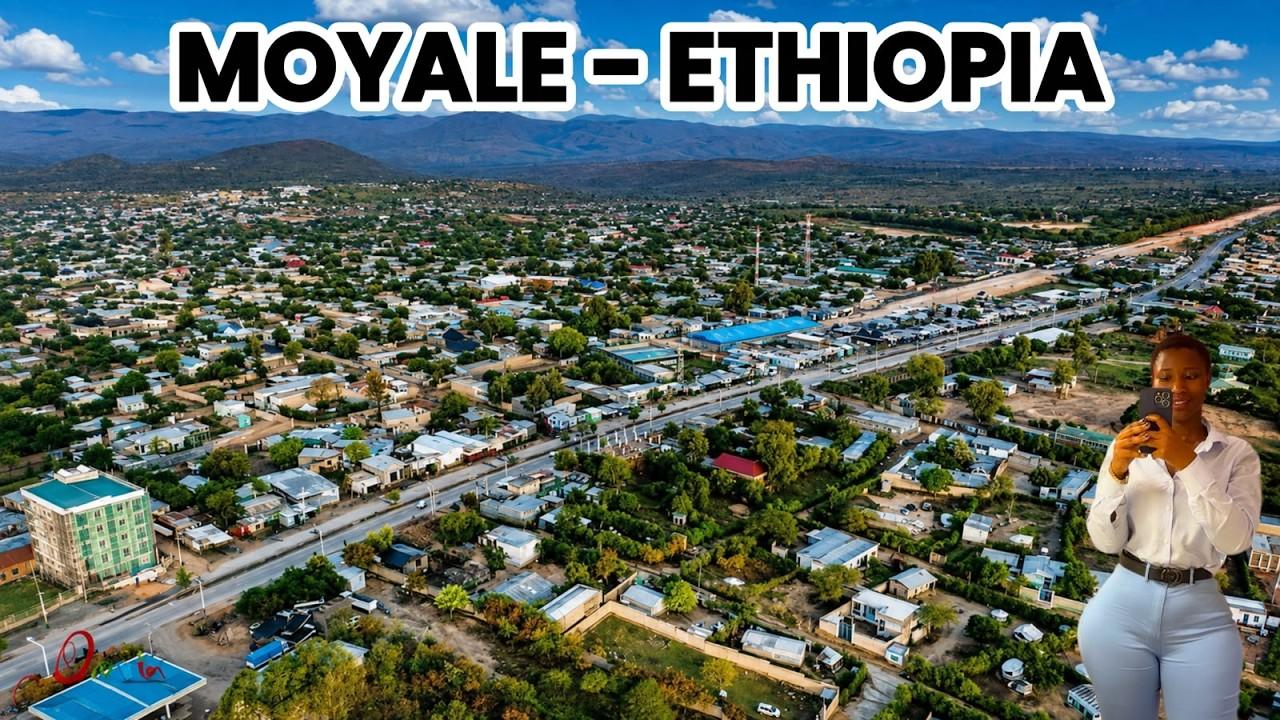
BREAKING NEWS: Heavy Fighting Reported in Ethiopia’s Somali Region as Moyale and Dawa Zone Face Escalating Violence
22 October 2026 | Bubal Think Tank — Beyond the Headlines
MOYALE, ETHIOPIA — Heavy fighting has reportedly erupted in Ethiopia’s Somali Region, particularly around Jamu village and the Somali-administered section of Moyale, amid escalating tensions along the Somali–Oromia regional boundary.
According to an eyewitness account provided to Karamara TV by Abdi Isaak, a resident of Moyale, the fighting began at approximately 5:40 a.m., affecting Jamu, Malab, Harbor, Hudhet, and areas extending toward Moyale city.
Isaak alleged that the offensive was organized and conducted by Oromia regional police, with the objective of seizing territory administered by the Somali Region.
1. Jamu Village Reportedly the Main Target
Abdi Isaak stated that Jamu village was the principal target of the offensive.
He alleged that Oromia police organized the operation under the leadership of the Oromia police commissioner and deployed heavy weapons against local residents and defenders.
According to Isaak, residents witnessed vehicles carrying heavy weapons and recorded video footage of their deployment.
When Karamara TV asked whether the same vehicles and weapons were being used in Moyale city, Isaak explained that the vehicles had entered Moyale, but that heavy weapons were also being operated from buildings.
These allegations, including the identity of the forces and their command structure, require independent verification.
2. Homes Reportedly Burned in Jamu
When Karamara TV asked whether Jamu village had been burned, Isaak responded that armed personnel had entered the village and set fire to some residential houses.
He further alleged that Oromia police crossed directly into territory administered by the Somali Region and positioned heavy weapons in mountainous areas.
According to his account, the attacking forces were subsequently pushed back from some positions, although fighting continued along the main asphalt road.
3. Civilian Displacement in Somali Moyale
Isaak reported that armed personnel also entered the Somali-administered section of Moyale.
He said Somali families living near the main asphalt road had relocated to other parts of Somali Moyale to escape the fighting and reduce the risk of civilian casualties.
When asked about deaths and injuries, Isaak stated:
> “There is chaos, and fighting is still ongoing. I have not yet received information about anyone killed or injured.”
His statement does not establish that there were no casualties; rather, casualty information was unavailable to him at the time of the interview.
4. Residents Report Limited Support from Somali Regional Security Forces
According to Isaak, fewer than 100 Somali regional police officers were stationed in the Jamu area.
He expressed frustration about what he described as an inadequate response from the Somali regional administration.
He said that local Somali residents and a small number of local militia members were primarily responsible for defending their communities.
The extent of security-force deployment and the regional administration's response have not been independently confirmed.
5. How Did the Conflict Begin? Dispute Over the Somali Regional Flag
During the interview, Karamara TV asked Isaak to explain the origins of the latest confrontation.
He attributed the escalation to a dispute surrounding the relocation of the Somali Moyale city administration to a new office building near the asphalt road.
According to Isaak, the new administrative office displayed the Somali Regional State flag, which he said had been used in the Somali-administered section of Moyale for approximately 30 years.
He alleged that Oromia representatives objected to the display of the Somali regional flag.
Isaak said Somali representatives rejected the objection, arguing that Oromia authorities were permitted to display their own regional flag in the Oromia-administered section of the city.
He further alleged that the following morning, gunfire struck the Somali Moyale administration building, killing a girl.
According to his account, the killing triggered protests and further violence.
Isaak said residents subsequently became aware of what they believed was a planned attack and organized local defensive measures. He reported that the administrative office remained operational.
The circumstances of the girl's death, the identity of those responsible, and the sequence of events require independent investigation.
6. Disputed Claims About the Girl's Identity
Karamara TV also asked Isaak about reports in some Oromia media outlets suggesting that the girl killed during the earlier incident belonged to the Oromo community.
Isaak disputed those reports and asserted that the victim was Somali.
He maintained that Somali residents were acting defensively to protect their communities rather than initiating hostilities.
The victim's identity and the circumstances of her death have not been independently established in this report.
7. Allegations of Hate Speech and the Use of the Al-Shabaab Label
Isaak also accused Oromia regional police and associated media campaigns of portraying Somali residents as security threats.
He alleged that Somali communities had been subjected to hostile rhetoric, including accusations associating them with Al-Shabaab.
He described these accusations as part of a broader campaign of stigmatization and dehumanization.
Such allegations are serious and warrant independent examination, particularly where inflammatory language may contribute to ethnic tensions and violence.
8. Situation at Approximately 12:00 Noon
According to Isaak's account, the situation remained unstable around midday.
Fighting reportedly continued in and around Moyale and along the asphalt road.
The initial offensive against Jamu was reportedly repelled.
Some homes in Jamu were allegedly burned.
Families near active fighting had reportedly moved to safer areas.
The number of casualties remained unknown to the eyewitness.
Local residents and militia members were reportedly involved in defending their communities.
These details describe the situation at the time of the interview and should not be interpreted as confirmation of current territorial control.
9. Bubal Think Tank: Civilian Protection and Accountability Must Come First
The reported escalation in Dawa Zone raises urgent concerns about civilian safety, regional administrative boundaries, the conduct of security forces, and the possibility of further intercommunal violence.
Bubal Think Tank emphasizes the importance of:
Immediate cessation of attacks and protection of civilians.
Independent investigation into the reported killing of the girl, destruction of homes, and use of heavy weapons.
Verification of allegations concerning the involvement and command of regional security forces.
Safe access for humanitarian assistance and protection of displaced families.
Prevention of hate speech, ethnic incitement, and collective accusations.
Peaceful resolution of administrative and territorial disputes through lawful and inclusive mechanisms.
Regional boundary disputes must never become a justification for attacks on civilians or the destruction of communities.
Source and verification note
Primary source: Karamara TV interview with Abdi Isaak, identified as a resident of Moyale, 22 October 2026.
This report is based on the eyewitness account supplied to Bubal Think Tank. The alleged involvement of Oromia police leadership, the deployment of heavy weapons, burning of houses, killing of a girl, territorial incursions, and claims concerning the conduct of security forces have not been independently verified. Responses from Oromia regional authorities, Somali regional authorities, and independent monitors have not been obtained for this report.
Bubal Think Tank | Beyond the Headlines
#Moyale #DawaZone #SomaliRegion #Oromia #Ethiopia #BreakingNews #HumanRights #CivilianProtection #BubalThinkTank
Jawar Mohammed claim of Somali not marginalized.
Nine years after the reported massacre of ethnic Somali civilians in Hawadaay, questions of accountability, displacement, media silence and political responsibility remain central to Ethiopia’s unresolved search for justice. The tragedy demands more than remembrance: it demands truth, credible investigation and recognition of the victims.
The appointment or promotion of a small number of Somali politicians to senior positions within Ethiopia’s Prosperity Party (PP) and government—including Adem Farah and Ahmed Shide—raises an important question:
